
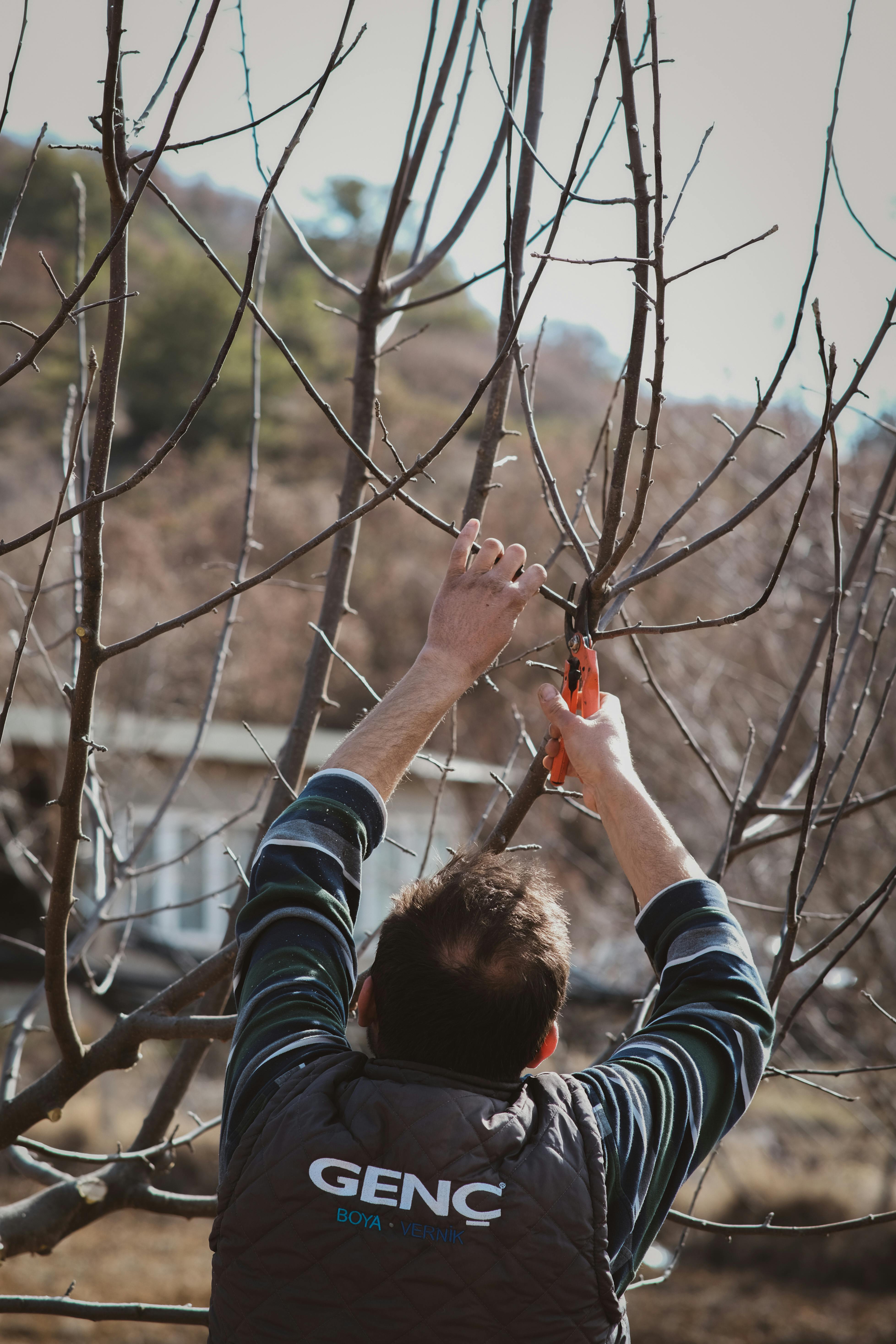
 As the cold months settle in, many homeowners put their gardening tools away and wait for spring to arrive. However, winter can actually be the perfect time for pruning shrubs and trees. With proper winter pruning, you can enhance the health, shape, and beauty of your landscape while preparing your plants for a strong growing season.
Why Winter Pruning is Beneficial
Winter pruning, when trees and shrubs are dormant, offers several advantages:
-
Reduced Stress on Plants: Pruning during dormancy minimizes sap loss and stress, allowing plants to focus energy on new growth in spring.
-
Easier to See Branch Structure: Without leaves, you can clearly see the branch structure, making it easier to identify dead, damaged, or overcrowded limbs.
-
Disease Prevention: Winter pruning reduces the risk of spreading diseases and pests that are more active during warmer months.
Tools You’ll Need
Having the right tools makes winter pruning safer and more effective. Essential tools include:
-
Sharp pruning shears for small branches
-
Loppers for medium branches
-
A pruning saw for larger limbs
-
Gloves and safety glasses for protection
Ensure your tools are clean and sharp. This helps prevent tearing the bark and reduces the chance of spreading disease.
Pruning Trees in Winter
When pruning trees, focus on these key steps:
-
Remove Dead or Diseased Wood: Cut out branches that show signs of decay, disease, or damage.
-
Thin Out Crowded Branches: This improves air circulation and reduces the risk of disease.
-
Maintain Shape: Prune to maintain the tree’s natural shape, avoiding excessive cutting that could stress the tree.
-
Cut at the Right Angle: Always prune just above a bud or branch junction at a 45-degree angle to promote healthy growth.
Pruning Shrubs in Winter
Shrubs also benefit from winter pruning, especially for shaping and rejuvenation:
-
Remove Weak or Crossing Stems: This encourages stronger growth in the coming season.
-
Encourage Flowering: For some flowering shrubs, like lilacs, pruning immediately after the bloom ensures next year’s flowers.
-
Rejuvenation Pruning: For overgrown shrubs, remove older branches at the base to promote new growth.
Safety Tips for Winter Pruning
Pruning in winter requires extra caution:
-
Watch for slippery surfaces and icy branches.
-
Avoid pruning during extreme cold to prevent damage to the plant tissues.
-
Don’t remove more than 25–30% of the plant at once to prevent shock.
Conclusion
Winter pruning is more than just tidying up your garden—it’s an investment in the health and beauty of your trees and shrubs. By taking the time to prune during dormancy, you’ll set your landscape up for vigorous growth and a more attractive yard in spring.
With proper tools, careful planning, and attention to safety, winter pruning can become a rewarding part of your seasonal tree care and shrub maintenance routine.